





Mastering High-Speed Drilling: Techniques and Business Benefits for Modern Construction
Introduction to High-Speed Drilling
High-speed drilling refers to the process of rapidly creating holes in various materials, such as concrete, metal, or rock, using advanced equipment and techniques. It is essential in construction for tasks like anchoring, piping, and structural installations. By increasing drilling speeds, projects can reduce labor costs and timelines, leading to significant economic benefits. For instance, in high-rise building construction, high-speed drilling can cut down installation times by up to 40%, making it a game-changer in competitive markets.
Technical Principles and Equipment
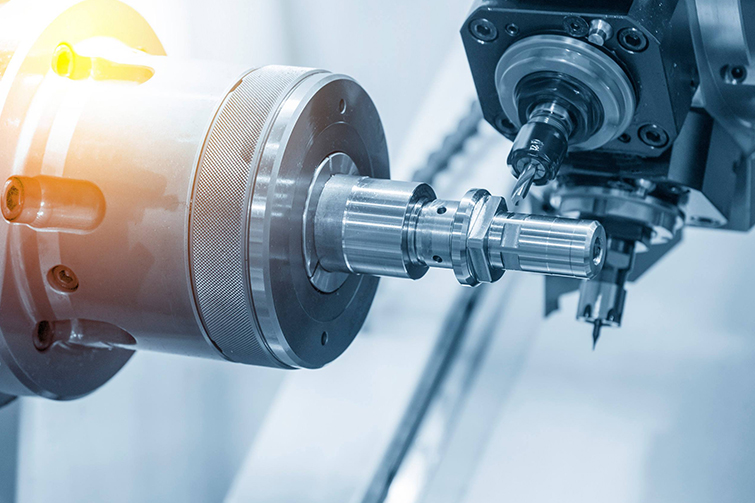
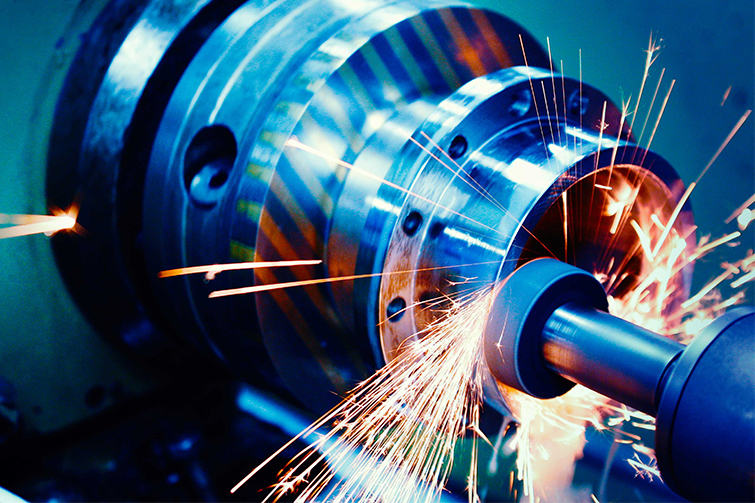
The core of high-speed drilling lies in the use of high-torque drills equipped with diamond-tipped or carbide bits, which minimize friction and heat buildup. Key parameters include rotational speeds of 1,500 to 3,000 RPM and feed rates optimized for material hardness. For example, in rock drilling, a speed of 2,500 RPM with a feed pressure of 50-100 Newtons ensures efficient chip removal and bit longevity. Advanced systems incorporate automated depth control and real-time monitoring to prevent deviations, enhancing accuracy in applications like foundation work or utility installations.
Material-Specific Applications
Different materials require tailored approaches. In concrete, high-speed drilling with diamond core bits can achieve penetration rates of 10-20 cm per minute, while in metals, using coolant systems prevents overheating and maintains structural integrity. For specialized fields like geothermal drilling, parameters such as bit diameter (e.g., 100-200 mm) and drilling fluid viscosity are critical to avoid collapses and ensure stable boreholes. This precision reduces rework and material waste, directly impacting project sustainability.
Business Advantages and Cost Efficiency
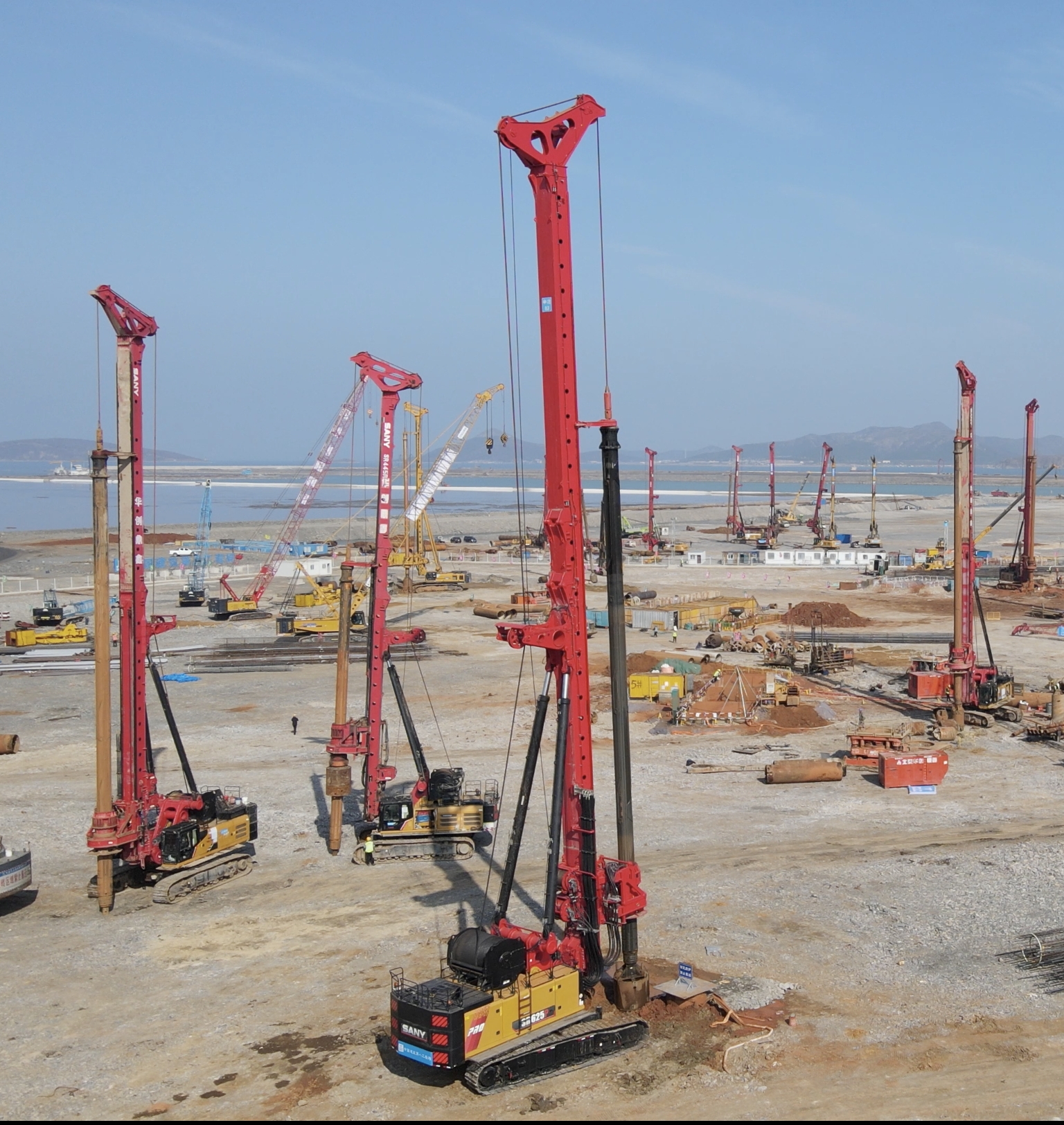
From a commercial perspective, high-speed drilling translates to lower operational costs and faster project completion. By reducing drilling time by 30-50%, companies can reallocate resources to other tasks, boosting overall productivity. For instance, in large-scale infrastructure projects, this efficiency can lead to savings of up to $50,000 per project through reduced labor and equipment rental. Moreover, the ability to meet tight deadlines enhances client satisfaction and opens up opportunities for repeat business, making it a strategic investment for construction firms.
Common Questions
What are the main safety considerations in high-speed drilling?
Always wear protective gear, such as goggles and gloves, and ensure equipment is regularly maintained to prevent accidents like bit breakage or dust inhalation. Implementing automated shut-off systems can further enhance safety on site.
How does high-speed drilling impact environmental sustainability?
It reduces energy consumption and material waste by minimizing drilling time and errors. Using eco-friendly coolants and recycling drill cuttings can also lower the environmental footprint, aligning with green building standards.