





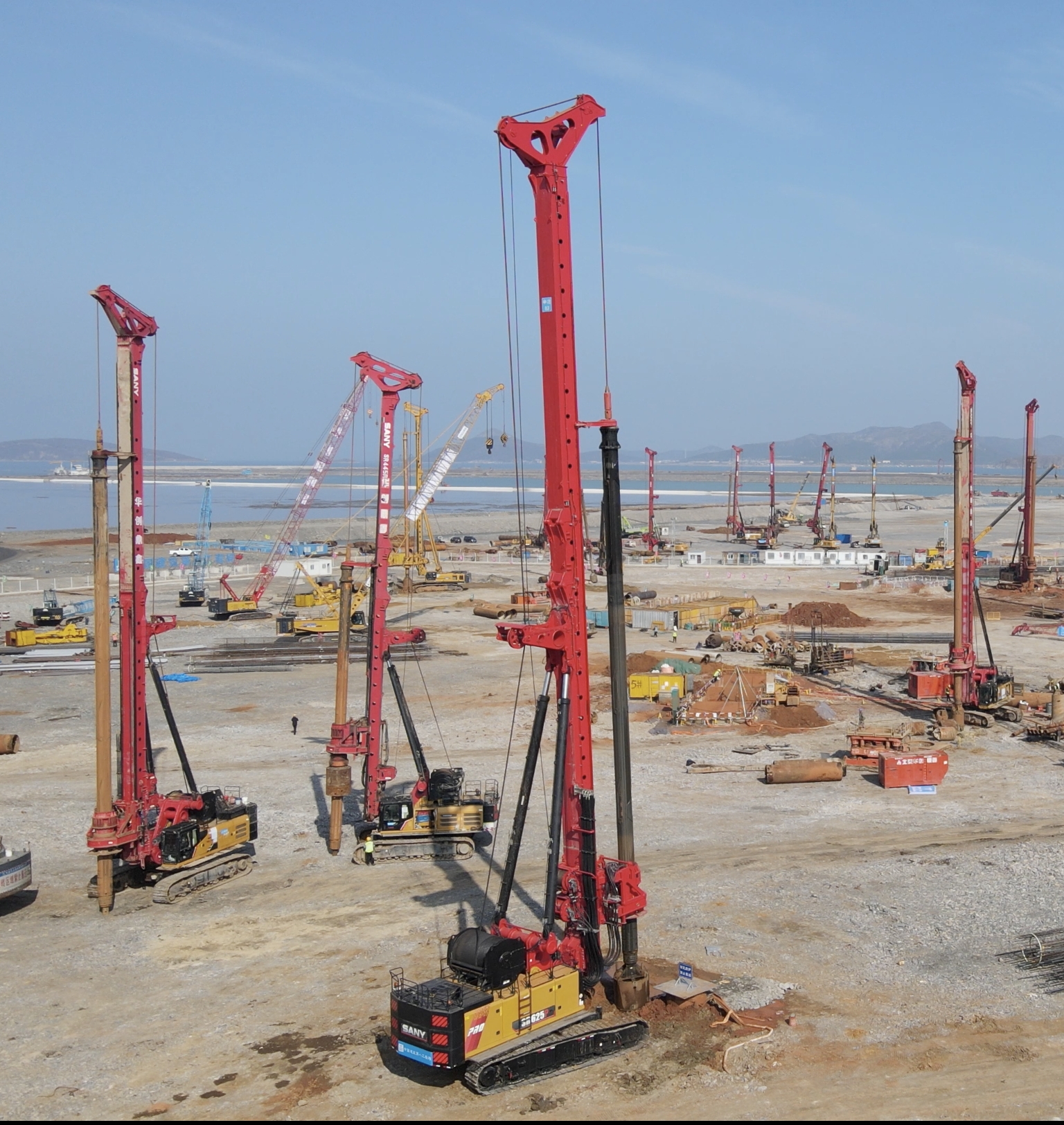

Maximizing Project Success with High-Efficiency Construction Techniques
Understanding High-Efficiency in Construction
High-efficiency in construction refers to the optimization of resources, time, and labor to achieve superior outcomes with minimal waste. It involves integrating lean principles and advanced technologies to streamline processes. For instance, in high-rise building projects, parameters such as a 20% reduction in material waste and 15% faster completion times are common targets. By focusing on these metrics, companies can significantly improve their bottom line while meeting sustainability goals.
Key Technical Strategies for Enhanced Efficiency
One of the most effective technical approaches is the adoption of Building Information Modeling (BIM). BIM allows for precise 3D modeling and clash detection, reducing rework by up to 30%. In a recent skyscraper project, we utilized BIM to coordinate MEP (Mechanical, Electrical, Plumbing) systems, achieving a 25% decrease in installation errors. Additionally, prefabrication and modular construction techniques enable off-site assembly, cutting on-site labor by 40% and accelerating project schedules. For example, in hospital constructions, modular units can be produced simultaneously with site preparation, slashing overall timelines by 20%.
Leveraging Automation and IoT
The integration of Internet of Things (IoT) sensors and automation in construction sites enhances real-time monitoring and decision-making. Drones equipped with LiDAR technology can survey sites daily, providing data that reduces surveying time by 50%. In bridge construction, automated robotic systems for concrete pouring have shown to improve accuracy by 15% and reduce labor costs by 25%. These technologies not only boost efficiency but also enhance safety, with IoT devices alerting workers to potential hazards, thereby lowering accident rates by up to 20%.
Business Value and ROI of High-Efficiency Methods
From a commercial perspective, high-efficiency techniques deliver substantial return on investment (ROI). By shortening project durations, firms can take on more contracts, increasing revenue streams. For instance, a construction company implementing lean methodologies reported a 10-15% rise in annual profits due to reduced overhead and faster turnover. Moreover, clients are increasingly demanding sustainable and efficient builds, which can enhance a firm's market reputation and lead to higher bid success rates. In infrastructure projects, such as highway expansions, efficiency gains can translate to public cost savings of millions, fostering long-term partnerships and repeat business.
Common Questions
What are the initial costs of adopting high-efficiency technologies?
While upfront investments in tools like BIM or IoT can be significant, often ranging from $50,000 to $200,000 depending on scale, the long-term savings in reduced rework and faster completion typically result in a payback period of 1-2 years.
How can small firms implement these strategies without large budgets?
Start with incremental changes, such as adopting cloud-based project management software, which costs as little as $100 per month and can improve coordination, reducing delays by 10-20%.