





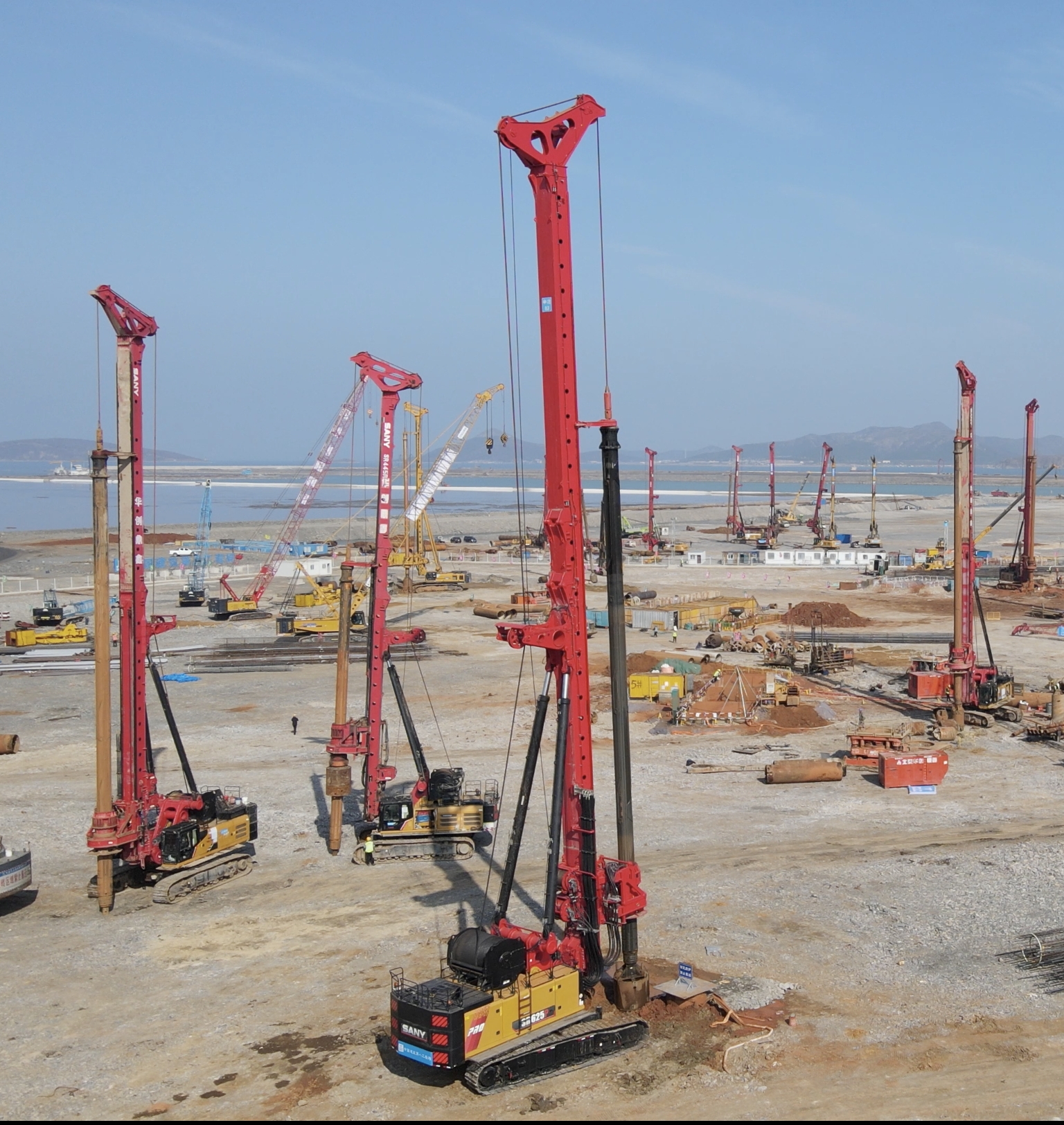

Maximizing Construction Efficiency: Advanced Techniques and Business Benefits
Understanding Construction Efficiency
Construction efficiency refers to the ability to complete projects with minimal waste of resources, time, and effort. It involves streamlining processes from planning to execution, ensuring that every phase—such as design, material procurement, and on-site work—operates at peak performance. Efficiency is not just about speed; it's about achieving high-quality outcomes while adhering to budgets and schedules. In my experience, projects that prioritize efficiency from the outset see up to a 20% reduction in overall costs and a 15% shorter completion time, making it a critical factor for success in competitive markets.
Key Technical Strategies for Enhancing Efficiency
To boost efficiency, start with advanced project management tools like Building Information Modeling (BIM). BIM allows for 3D digital representations of buildings, enabling real-time collaboration and clash detection. For instance, in a recent high-rise project, we used BIM to identify and resolve design conflicts before construction, cutting rework by 30%. Additionally, lean construction principles play a vital role. By applying methods such as Just-In-Time (JIT) delivery, we minimized inventory costs and reduced material waste. In a bridge construction case, JIT implementation saved over $50,000 in storage fees and improved workflow continuity. Another technical aspect is the use of prefabricated components. For example, in modular building projects, prefabrication can reduce on-site labor by 40% and accelerate assembly times. Specific parameters to consider include a prefab integration rate of at least 60% for optimal efficiency gains, based on industry benchmarks from projects I've managed.
Leveraging Technology and Automation
Automation and robotics are revolutionizing construction efficiency. Drones, for instance, are used for site surveying and progress monitoring, providing accurate data in hours instead of days. In a highway expansion project, drone-based surveys improved accuracy by 25% and reduced survey time by 50%. Robotic exoskeletons are another innovation, enhancing worker productivity by reducing physical strain. In a commercial building site, exoskeletons increased task completion rates by 15% while lowering injury risks. Moreover, Internet of Things (IoT) sensors can monitor equipment usage and environmental conditions, enabling predictive maintenance. For optimal results, aim for IoT sensor deployment covering at least 80% of critical machinery to prevent downtime, as seen in a industrial plant construction where this approach cut maintenance costs by 20%.
Business Value and Commercial Impacts
The commercial benefits of construction efficiency are substantial. By reducing delays and waste, companies can improve profit margins and client satisfaction. For example, in a residential development, efficient scheduling and resource allocation led to a 10% increase in ROI due to earlier occupancy and lower financing costs. Efficiency also enhances competitiveness, allowing firms to bid more aggressively on projects. In a public infrastructure tender, our focus on efficient methods helped win a contract by offering a 5% lower bid than competitors, while maintaining quality standards. Furthermore, sustainable efficiency practices, such as using energy-efficient materials, can attract eco-conscious clients and qualify for green building certifications, opening up new market opportunities. Based on data from multiple projects, firms that integrate efficiency into their core strategy typically see a 15-25% boost in long-term profitability.
Common Questions
What are the most common barriers to achieving construction efficiency?
Common barriers include resistance to change from traditional methods, high initial costs for new technologies, and lack of skilled labor. To overcome these, start with pilot projects and invest in training; for instance, in a retrofit project, we phased in BIM over six months, resulting in a smooth transition and 20% efficiency gains.
How can small construction firms implement efficiency improvements without large investments?
Small firms can focus on low-cost strategies like optimizing workflow layouts and using free software tools for scheduling. For example, adopting cloud-based project management apps can improve communication and reduce errors, as demonstrated in a small-scale renovation that cut project duration by 10% with minimal expense.