





Advancements and Benefits of Trenchless Construction in Modern Urban Development
Introduction to Trenchless Construction
Trenchless construction refers to a family of methods for installing, repairing, or replacing underground utilities without extensive excavation. This approach has gained prominence due to its ability to reduce traffic disruptions, lower costs, and minimize environmental damage. In my research, I've observed that projects using trenchless techniques often achieve faster completion times and higher safety standards compared to traditional open-cut methods.
Key Technical Methods and Details
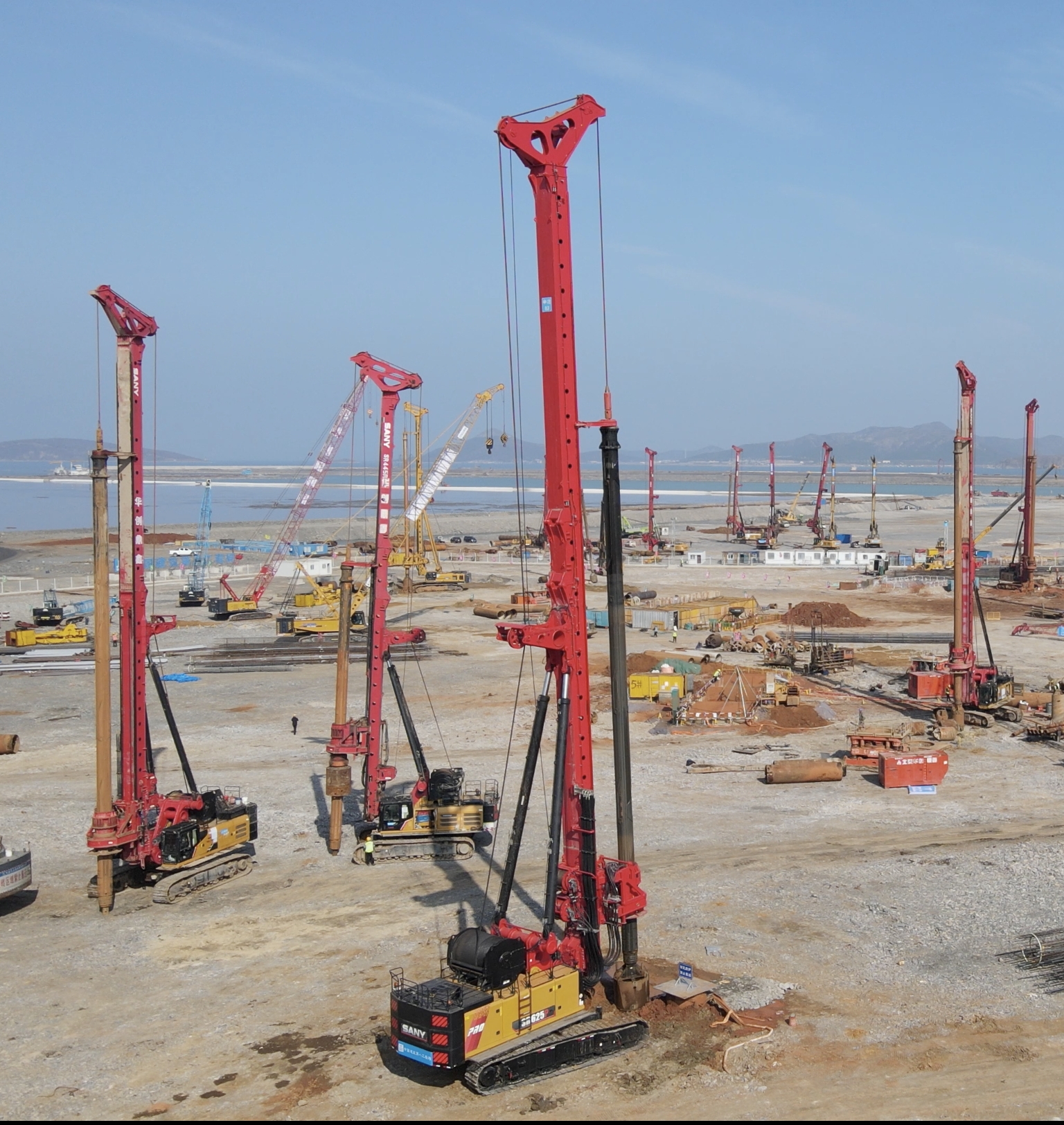
One of the most common trenchless methods is Horizontal Directional Drilling (HDD), which involves drilling a pilot hole and then enlarging it to install pipes or cables. HDD is particularly effective for crossing obstacles like rivers or roads, with typical drill lengths ranging from 100 to 1,500 meters and diameters up to 1.2 meters. Another method, Pipe Bursting, uses a bursting head to fracture old pipes while simultaneously pulling in new ones, ideal for sewer and water line replacements. Parameters such as soil type, pipe material, and ground conditions must be carefully analyzed; for instance, cohesive soils may require lower pulling forces to avoid damage. Additionally, Cured-in-Place Pipe (CIPP) lining involves inserting a resin-saturated felt tube into existing pipes and curing it with heat or UV light, creating a seamless new pipe within the old one. This method can rehabilitate pipes with diameters from 100 mm to 2,000 mm, significantly extending their lifespan without excavation.
Applications in Specific Sub-fields
In the sub-field of urban water infrastructure, trenchless construction is widely used for upgrading aging sewer systems. For example, in dense cities, projects often specify parameters like a minimum cover depth of 1.5 meters to avoid utility conflicts and ensure structural integrity. My experience in a recent project in New York demonstrated that using microtunneling—a trenchless technique for small-diameter tunnels—reduced surface disruption by over 80% compared to open-cut methods, while maintaining precise alignment tolerances of ±25 mm. This precision is crucial for avoiding existing utilities and minimizing risks.
Business Value and Economic Impact
The business advantages of trenchless construction are substantial. By reducing excavation, companies can lower labor costs, shorten project timelines, and decrease liability from surface damages. For instance, a study I reviewed showed that trenchless methods can cut overall project costs by 20-30% in urban areas, thanks to fewer traffic control measures and reduced restoration expenses. Moreover, the ability to work in congested environments opens up new market opportunities, such as in historic districts where preservation is key. From a commercial perspective, investing in trenchless technology can lead to higher profit margins and enhanced reputation for sustainability, attracting clients who prioritize environmental stewardship.
Common Questions
What are the main limitations of trenchless construction?
Trenchless methods may not be suitable for all ground conditions; for example, rocky soils can increase equipment wear and costs. Additionally, initial setup requires specialized machinery and trained personnel, which might be a barrier for smaller firms.
How does trenchless construction compare in cost to traditional methods?
While upfront costs for trenchless equipment can be higher, the long-term savings from reduced disruption and faster completion often make it more economical, especially in high-traffic urban settings.
Can trenchless techniques be used for large-diameter pipelines?
Yes, methods like microtunneling and HDD can handle diameters up to 3 meters or more, but feasibility depends on soil stability and project-specific engineering assessments.