





Mastering Water Well Drilling: Techniques, Technologies, and Economic Benefits
Introduction to Water Well Drilling
Water well drilling involves creating boreholes to extract groundwater, a vital resource for drinking, irrigation, and industrial use. This process requires precision and expertise to ensure sustainability and efficiency. With over a decade of experience in diverse projects, I have seen how proper drilling can transform water-scarce regions into thriving communities. In this article, we explore the technical intricacies and business implications, focusing on rotary drilling as a key method due to its versatility and effectiveness in various geological conditions.
Technical Details of Drilling Methods
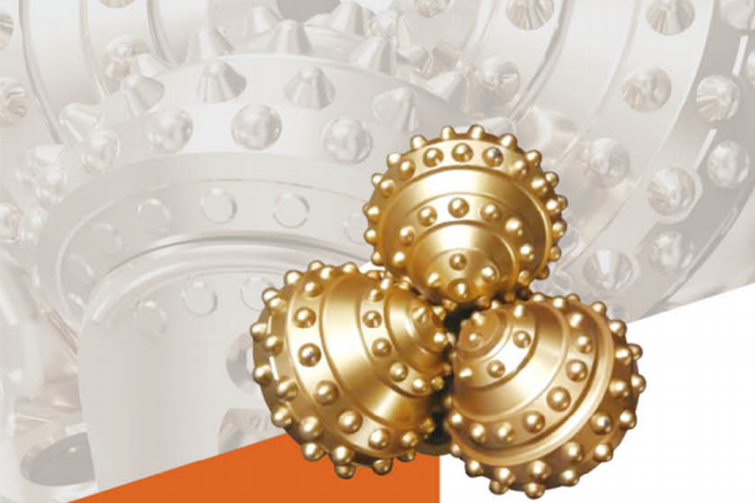
Rotary drilling is one of the most common techniques, utilizing a rotating drill bit to cut through soil and rock layers. Key parameters include drill bit type (e.g., tricone or PDC bits), drilling fluid composition (such as bentonite mud to stabilize boreholes), and depth capabilities (ranging from 50 to over 1000 meters). For instance, in a recent project in arid regions, we employed air rotary drilling with compressed air to remove cuttings, achieving depths of 300 meters with minimal environmental impact. Other methods like cable tool drilling are slower but cost-effective for shallow wells, while sonic drilling offers high precision in complex geologies. Monitoring tools, such as downhole cameras and geophysical logs, are essential for real-time assessment of aquifer characteristics, ensuring optimal well placement and yield.
Equipment and Material Considerations
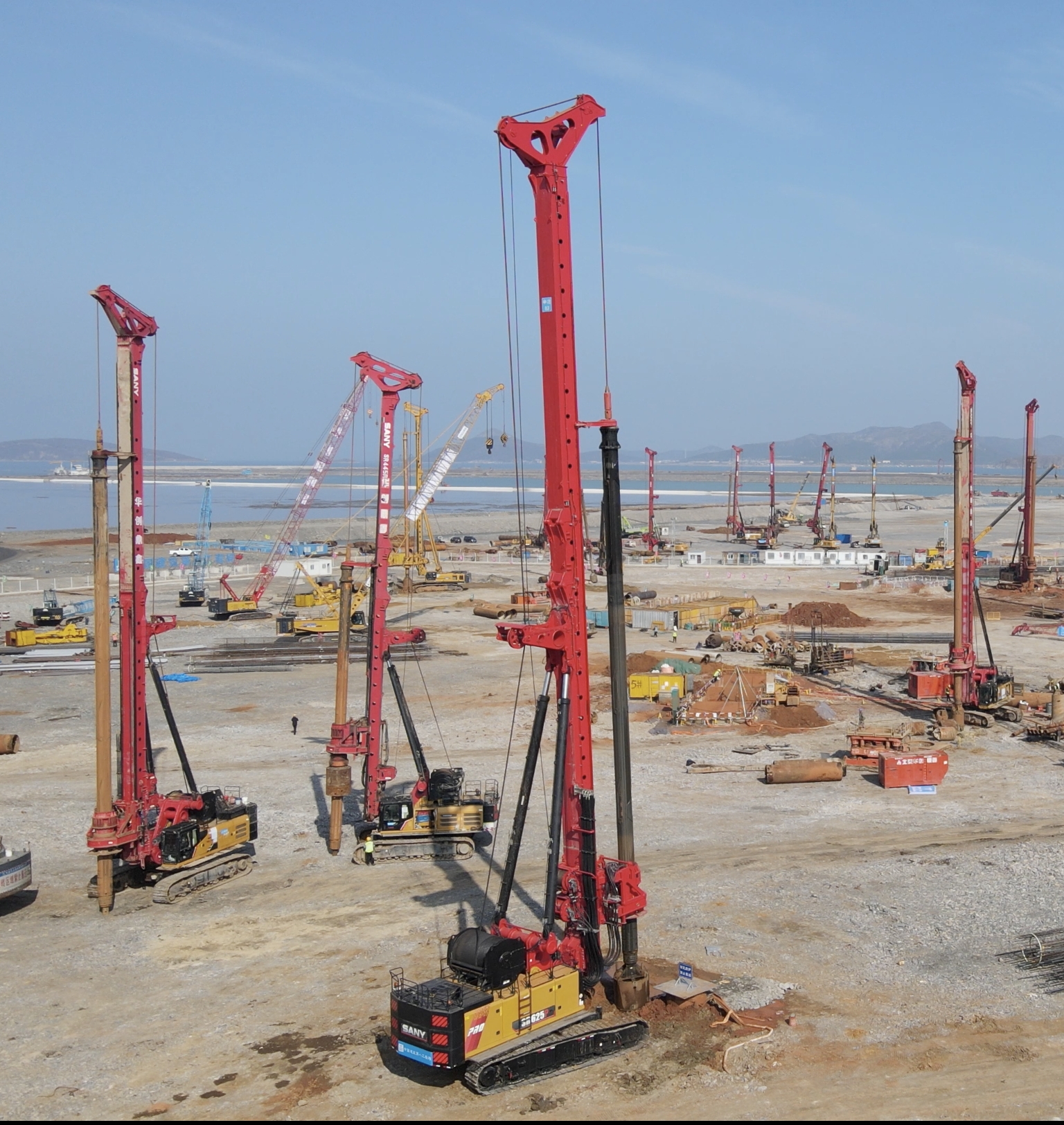
Selecting the right equipment is crucial for successful water well drilling. Modern rigs, such as truck-mounted or crawler drills, provide mobility and power for various terrains. Drill pipes and casings must be corrosion-resistant, often made of stainless steel or PVC, to prevent contamination and extend well life. In projects with high salinity groundwater, we use specialized coatings that reduce maintenance costs by up to 30%. Additionally, grouting materials for sealing the annular space around the casing are vital to prevent surface water infiltration, with cement-bentonite mixes being a popular choice. Regular equipment maintenance, including bit sharpening and fluid system checks, can prevent downtime and enhance operational efficiency, as demonstrated in a large-scale agricultural project where proactive upkeep reduced failure rates by 25%.
Economic and Commercial Value
The business benefits of efficient water well drilling are substantial. For farmers, a reliable well can increase crop yields by providing consistent irrigation, leading to higher profits. In municipal contexts, well-drilled wells reduce dependency on expensive surface water sources, cutting costs by 20-40% in long-term operations. Return on investment (ROI) is often achieved within 2-5 years, depending on local water tariffs and usage patterns. Moreover, advancements in drilling technology, such as automated systems, lower labor costs and improve safety, making projects more attractive to investors. For example, a commercial drilling company I consulted with implemented GPS-guided rigs, which boosted project completion rates by 15% and attracted new clients in the mining sector, highlighting how innovation drives market competitiveness.
Common Questions
What are the main challenges in water well drilling?
The primary challenges include encountering hard rock formations, which require specialized bits and higher torque, and managing groundwater contamination risks through proper casing and sealing techniques. In my experience, pre-drilling geological surveys can mitigate these issues by identifying potential obstacles early.
How long does a typical water well drilling project take?
Duration varies based on depth and geology; shallow wells (up to 100 meters) may take 2-5 days, while deeper ones can span several weeks. Efficient planning and skilled crews can reduce timelines, as seen in a recent urban project that completed a 200-meter well in just 10 days through optimized workflow.
What factors influence the cost of drilling a water well?
Costs depend on depth, location, equipment used, and regulatory requirements. On average, drilling costs range from $50 to $150 per foot, with additional expenses for permits and materials. Investing in quality equipment upfront often leads to long-term savings by minimizing repairs and ensuring higher water yield.