





Advancements and Applications in Geotechnical Engineering: Enhancing Infrastructure Stability and Economic Viability
Fundamentals of Geotechnical Engineering
Geotechnical engineering involves the study of earth materials to design foundations, slopes, and retaining structures. Key parameters include soil density, which typically ranges from 1.5 to 2.0 g/cm³ for common soils, and shear strength, often measured in kilopascals (kPa). Understanding these properties is essential for assessing load-bearing capacity and preventing failures such as landslides or settlement.
Technical Innovations in Soil Testing
Modern techniques like cone penetration testing (CPT) and geophysical surveys have revolutionized site investigation. For instance, CPT provides real-time data on soil resistance and pore pressure, with accuracy up to 95% in identifying soil layers. These methods allow engineers to model subsurface conditions more precisely, reducing uncertainties in design and construction phases.
Foundation Design and Optimization
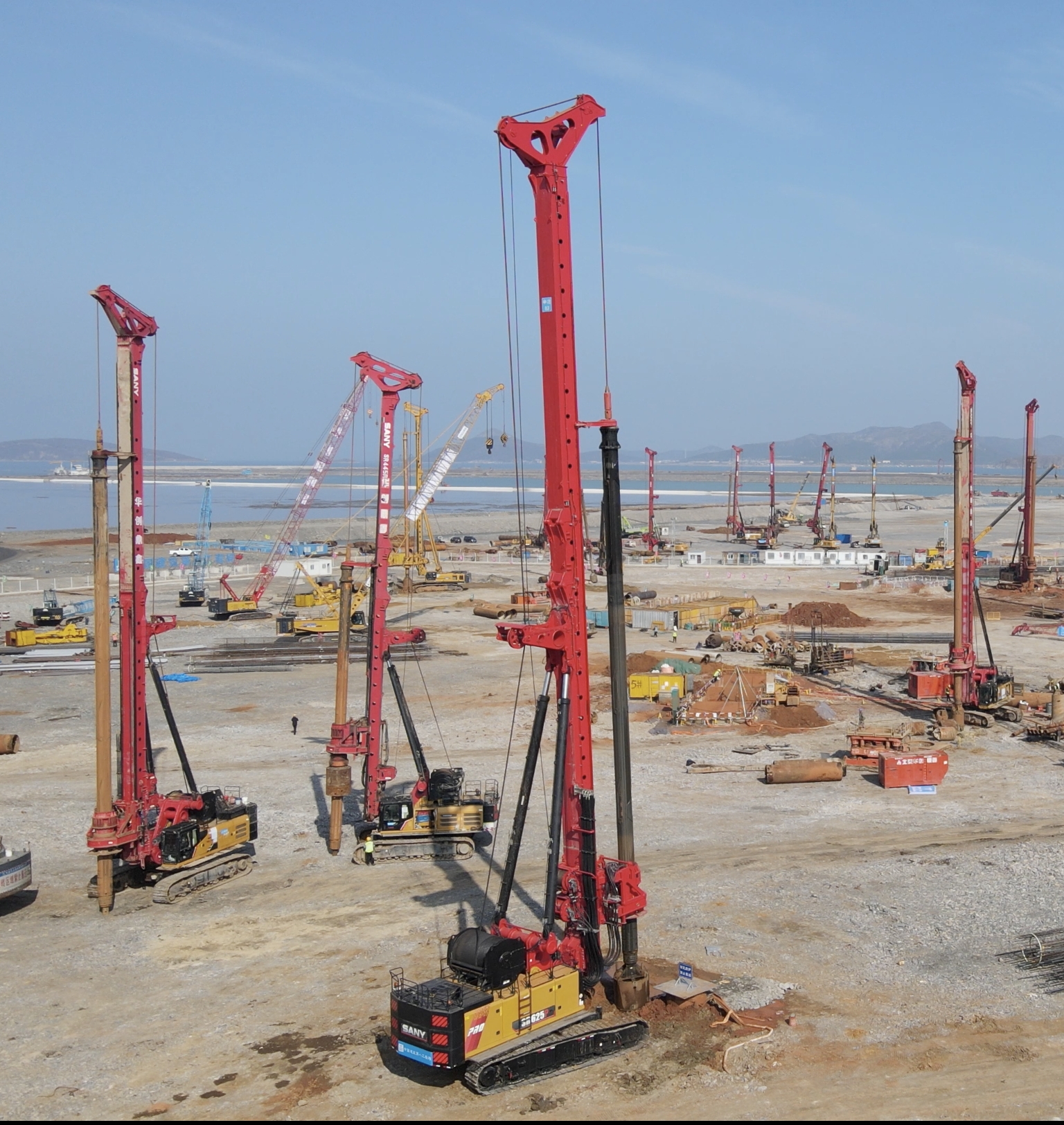
In foundation engineering, parameters such as allowable bearing pressure, often between 100 and 500 kPa for shallow foundations, are critical. Advanced software tools enable finite element analysis to simulate stress distributions, ensuring that foundations like piles or rafts can support structures without excessive deformation. This technical precision directly translates to longer-lasting buildings and reduced maintenance costs.
Business Value of Geotechnical Expertise
Investing in thorough geotechnical studies can save up to 20% in project costs by avoiding over-design and unforeseen ground issues. For example, in urban development, proper slope stabilization using techniques like soil nailing can prevent costly delays and legal liabilities. Companies that integrate geotechnical risk assessments early in planning often achieve higher returns on investment through optimized resource allocation.
Case Study: High-Rise Construction
A recent project in a seismic zone utilized geotechnical engineering to design deep foundations with pile capacities exceeding 1000 kN. By incorporating liquefaction analysis, the team mitigated potential earthquake damage, resulting in a 15% reduction in insurance premiums and enhanced marketability of the property.
Common Questions
What are the most critical parameters in geotechnical site investigations?
Key parameters include soil type, moisture content, and shear strength, as they directly influence foundation design and stability assessments.
How does geotechnical engineering impact project timelines?
Proper geotechnical work can accelerate approvals and construction by identifying risks early, though inadequate studies may lead to delays due to redesign or failures.
Can geotechnical practices reduce environmental impacts?
Yes, techniques like sustainable drainage systems and erosion control minimize soil disturbance and protect ecosystems, aligning with green building standards.