





Advancements and Challenges in the Modern Mining Industry: A Technical and Commercial Perspective
Introduction to Mining Engineering Fundamentals
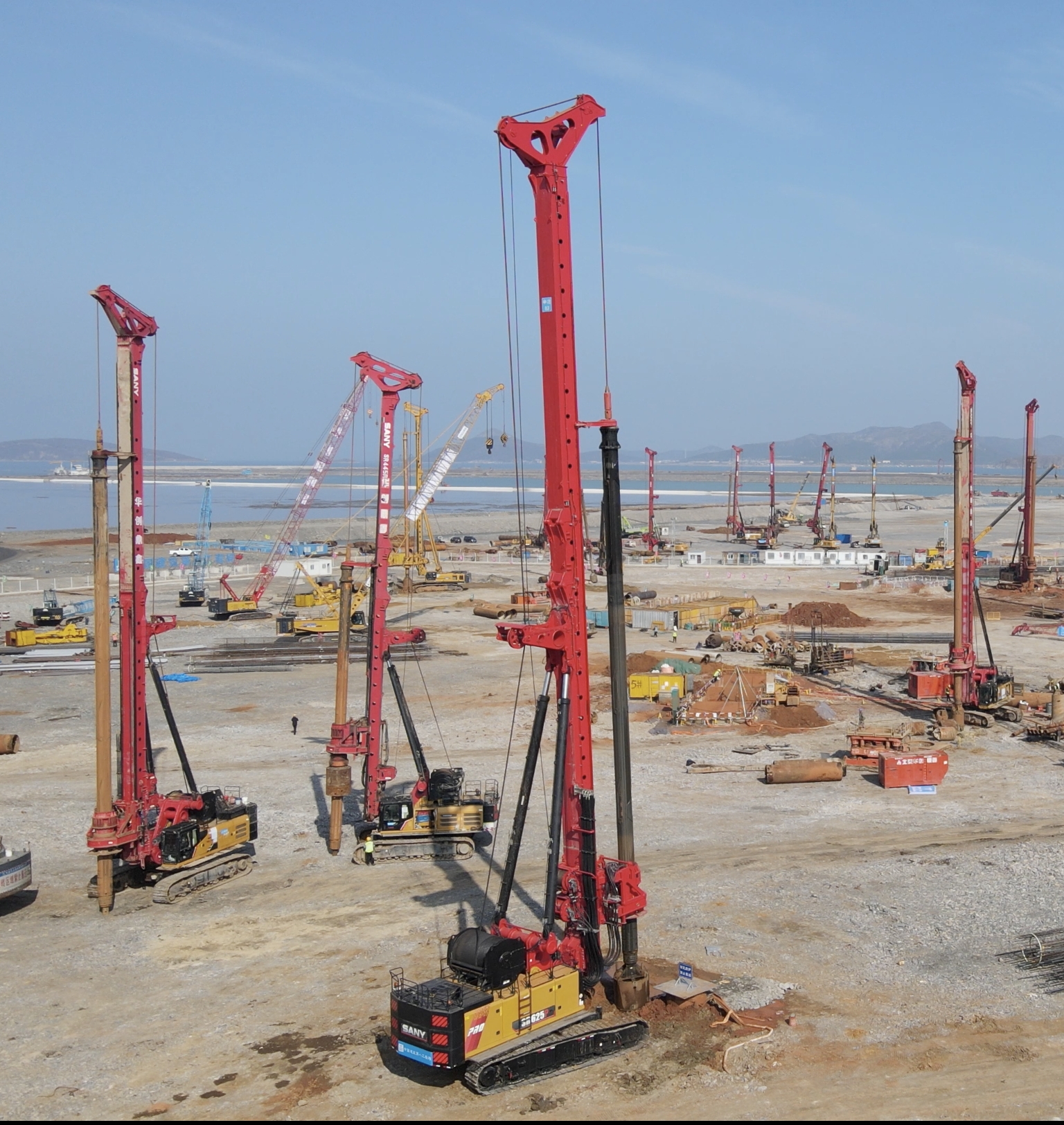
The mining industry relies on sophisticated engineering principles to extract valuable minerals from the earth. Key processes include exploration, drilling, blasting, and material handling, all of which demand precision and safety. For instance, in open-pit mining, parameters such as bench height (typically 10-15 meters) and slope angles (around 45 degrees) are critical to prevent collapses. Advanced geotechnical surveys use LiDAR and seismic imaging to assess rock stability, reducing risks of landslides. Automation in drilling rigs has revolutionized operations, with systems like autonomous drill rigs achieving up to 30% higher productivity by optimizing hole placement and reducing human error. This technical foundation not only ensures resource recovery but also minimizes environmental impact, aligning with global sustainability goals.
Technological Innovations in Mineral Extraction
Recent advancements have transformed mining into a high-tech industry. Robotics and IoT sensors are now integral to underground mining, where conditions are hazardous. For example, automated load-haul-dump (LHD) vehicles equipped with GPS and real-time data analytics can operate continuously, improving ore extraction rates by 20-25%. In terms of specific parameters, the use of high-pressure grinding rolls (HPGR) in comminution processes reduces energy consumption by up to 40% compared to traditional ball mills, with feed sizes optimized at 50-100 mm for maximum efficiency. Digital twin technology allows for virtual simulations of mining sites, enabling predictive maintenance and reducing downtime by 15%. These innovations not only enhance safety—cutting accident rates by half in some cases—but also boost operational precision, making mining more sustainable and cost-effective.
Economic Drivers and Market Dynamics
From a business perspective, the mining industry is heavily influenced by commodity prices, regulatory frameworks, and investor expectations. The shift towards green energy has increased demand for critical minerals like lithium and cobalt, with market values projected to grow by 8% annually. Companies that invest in ESG (Environmental, Social, and Governance) criteria often see higher stock performance, as sustainable practices reduce long-term liabilities. For instance, adopting water recycling systems in tailings management can cut costs by 25% and improve community relations. Supply chain optimization through blockchain technology ensures traceability, reducing fraud and enhancing transparency for stakeholders. By balancing technical efficiency with strategic investments, mining firms can achieve profit margins of 15-20%, even in volatile markets, underscoring the importance of integrating innovation with sound financial planning.
Common Questions
What are the main safety concerns in modern mining operations?
Safety remains a top priority, with common issues including rock falls, gas explosions, and equipment failures. Implementing automated monitoring systems and rigorous training programs can reduce incident rates by over 50%, as seen in projects using real-time hazard detection algorithms.
How does automation impact employment in the mining sector?
While automation may reduce some manual jobs, it creates new roles in robotics maintenance and data analysis. Overall, it leads to a 10-15% increase in productivity and can enhance job safety, making the industry more attractive to skilled workers.