





Optimizing Construction Efficiency: The Strategic Role of Advanced Excavation Technologies
Introduction to Advanced Excavation Technologies
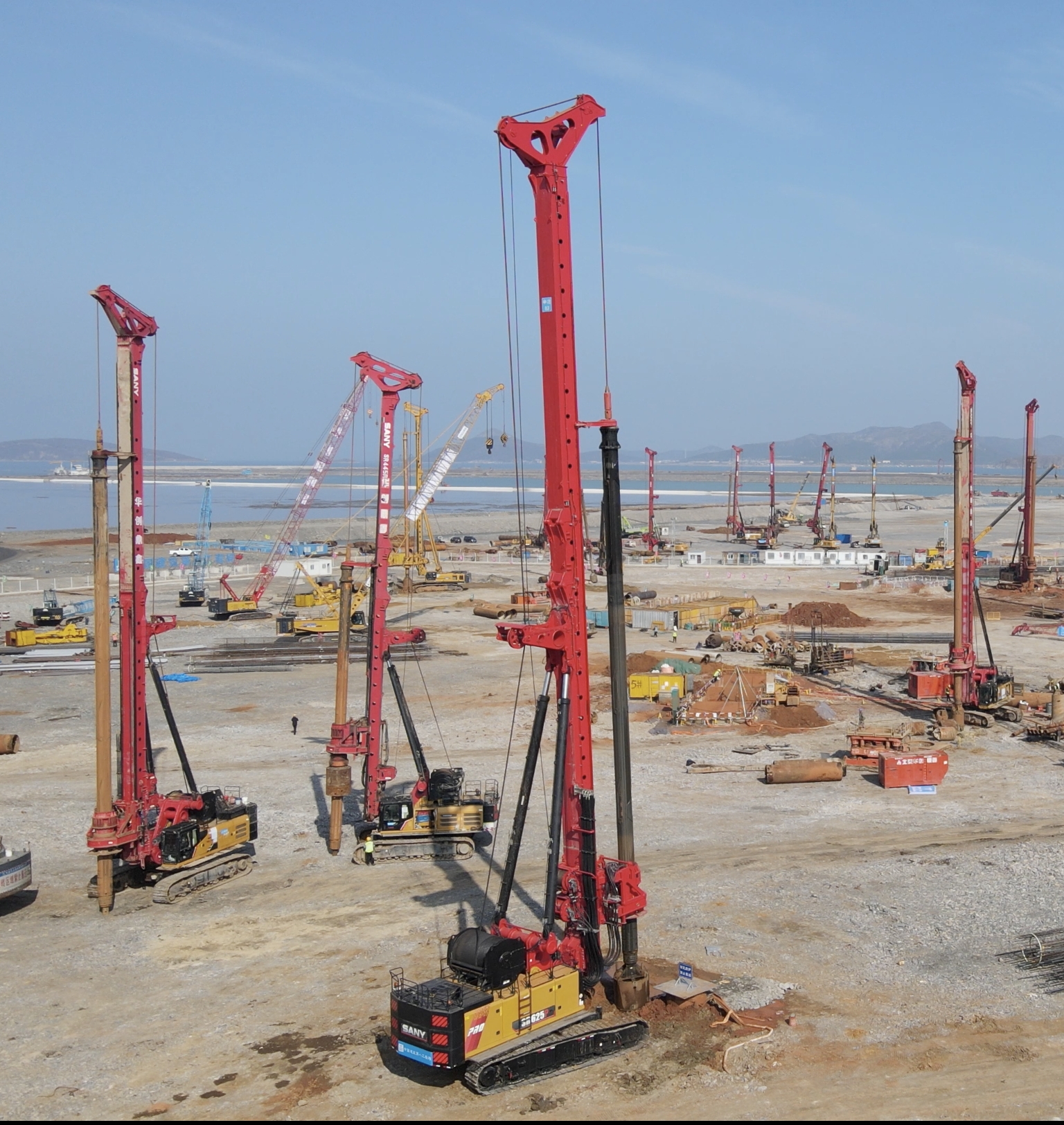
Excavation is a foundational phase in construction, involving the removal of earth to prepare sites for structures. With the advent of technologies like GPS-guided excavators and automated digging systems, projects can achieve unprecedented accuracy. For instance, GPS integration allows for real-time positioning within centimeters, minimizing errors that lead to rework. This not only speeds up timelines but also reduces material waste, directly translating to cost savings. In large-scale projects such as highway construction or building foundations, these tools ensure that excavations align perfectly with design specifications, avoiding costly delays and safety hazards.
Technical Details of Modern Excavation Methods
Delving into the specifics, modern excavation relies on a blend of hardware and software. GPS and LiDAR systems are commonly used to map terrain and guide machinery. For example, a typical GPS-enabled excavator can operate with a precision of ±2 cm, significantly higher than traditional methods. Additionally, soil analysis tools integrate with these systems to assess ground conditions in real-time, adjusting digging depth based on soil density and moisture. Parameters such as excavation depth (e.g., up to 10 meters for deep foundations) and slope stability are continuously monitored using sensors, ensuring compliance with engineering standards. This technical rigor prevents issues like soil collapse, which can cause project stoppages and increase liability risks.
Business Value and Cost-Benefit Analysis
From a business perspective, investing in advanced excavation technologies yields substantial returns. Reduced labor costs are a key benefit, as automated systems require fewer operators and minimize human error. For a mid-sized construction firm, adopting these technologies can cut excavation-related expenses by up to 20%, according to industry studies. Moreover, faster project completion enhances client satisfaction and opens opportunities for more bids. By improving accuracy, companies reduce the likelihood of contractual disputes and insurance claims, thereby protecting profit margins. In competitive markets, this technological edge can be the difference between winning and losing major contracts, making it a strategic imperative for growth.
Implementation Strategies and Best Practices
To successfully integrate these technologies, firms should start with pilot projects to test equipment and train staff. Collaboration with technology providers is essential for customizing solutions to specific project needs, such as urban redevelopment or infrastructure upgrades. Regular maintenance and software updates ensure long-term reliability, while data analytics from excavation processes can inform future projects, optimizing resource allocation. Emphasizing safety protocols, like using remote-operated excavators in hazardous areas, further mitigates risks and aligns with regulatory requirements, fostering a culture of innovation and responsibility.
Common Questions
What are the initial costs of adopting advanced excavation technologies?
The initial investment can range from $50,000 to $200,000 per machine, depending on features like automation levels and sensor integration. However, this is often offset by long-term savings through reduced labor and fewer errors, with many firms recouping costs within 2-3 years.
How do these technologies impact project timelines?
They typically shorten excavation phases by 15-30% by enabling continuous, precise operation. For example, in a residential development, this can accelerate overall completion, allowing earlier occupancy and revenue generation.