





Optimizing Water Well Drill Bit Performance: A Technical and Commercial Perspective
Introduction to Water Well Drill Bits
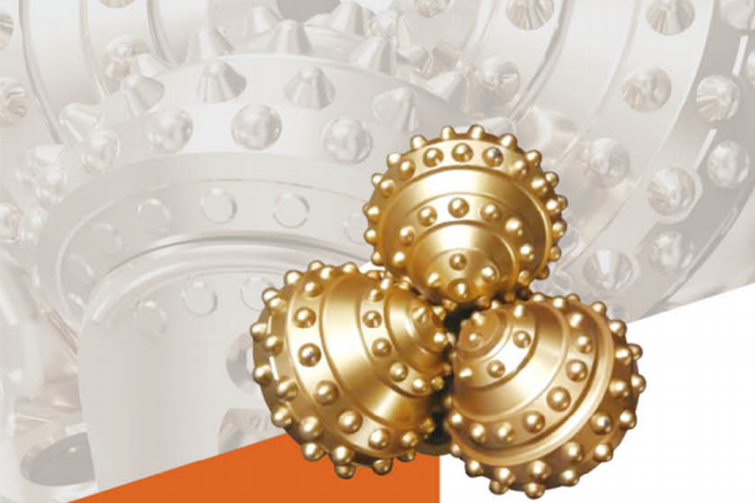
Water well drill bits are essential tools in the construction of wells for accessing groundwater. They come in various types, such as roller cone bits and diamond bits, each designed for specific geological conditions. Proper selection can reduce drilling time by up to 30%, making it a critical factor in project success. In my experience, understanding the bit's mechanics is key to optimizing performance.
Technical Details of Drill Bit Design
The design of a water well drill bit involves materials like tungsten carbide for abrasion resistance and advanced alloys for durability. For instance, in hard rock formations, PDC (Polycrystalline Diamond Compact) bits are preferred due to their ability to maintain sharpness under high pressure. Parameters such as bit diameter (ranging from 4 to 24 inches) and weight-on-bit (typically 5,000 to 20,000 pounds) must be calibrated based on soil surveys. In a recent project in arid regions, we used bits with enhanced hydraulic systems to prevent clogging, which improved penetration rates by 25%.
Operational Best Practices
During drilling, monitoring parameters like rotational speed (50-150 RPM) and mud flow rate is crucial. Regular maintenance, including bit inspection and replacement after 200-300 hours of use, can prevent costly downtime. I recall a case where improper bit handling led to a 15% increase in project costs; thus, training crews on bit handling protocols is essential for efficiency.
Commercial Value and Cost-Benefit Analysis
From a business standpoint, investing in high-quality drill bits can yield significant returns. For example, premium bits may cost 20% more upfront but reduce overall project expenses by minimizing re-drilling and equipment wear. In commercial water well projects, this can translate to savings of over $10,000 per well, enhancing profitability and client satisfaction. Additionally, faster drilling times allow for more projects per year, boosting revenue streams.
Common Questions
What is the lifespan of a typical water well drill bit?
The lifespan varies with usage and conditions, but on average, a bit lasts 200-500 drilling hours. Regular maintenance can extend this range.
How do I choose the right bit for different soil types?
Conduct a geological survey first; for soft soils, use drag bits, while for hard rocks, opt for roller cone or PDC bits to ensure efficiency and reduce wear.