





Rock Bit Innovations: Enhancing Drilling Efficiency and Cost-Effectiveness in Construction
Introduction to Rock Bits
Rock bits, also known as drill bits, are specialized cutting tools designed to penetrate hard geological formations such as rock, concrete, and soil. They play a pivotal role in various construction and mining applications, including foundation drilling, tunneling, and resource extraction. The evolution of rock bits has been driven by the need for higher efficiency, durability, and adaptability in challenging environments. In this section, we delve into the basic types and functions of rock bits, setting the stage for a deeper technical analysis.
Technical Details and Material Science
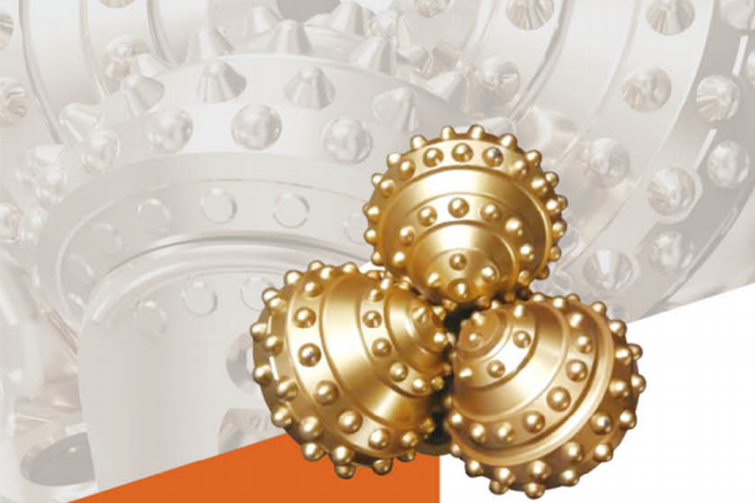
The core of rock bit technology lies in material selection and design optimization. Common materials include tungsten carbide, diamond-impregnated matrices, and high-strength steels, each chosen for specific hardness and wear resistance properties. For instance, tungsten carbide inserts are widely used in roller cone bits for their ability to withstand abrasive rocks, while polycrystalline diamond compact (PDC) bits excel in softer formations due to their superior cutting efficiency. Key parameters such as bit diameter, cutter configuration, and hydraulic design significantly influence performance. In roller cone bits, the number and arrangement of cones affect the rate of penetration (ROP), with typical ROP values ranging from 10 to 50 feet per hour depending on rock hardness. Additionally, advanced coatings and heat treatments enhance longevity, reducing the frequency of bit changes and associated downtime.
Design Innovations and Performance Metrics
Recent innovations in rock bit design focus on improving energy efficiency and precision. For example, the integration of IoT sensors allows real-time monitoring of parameters like weight on bit (WOB) and rotational speed, enabling adaptive control systems. In a case study from a highway construction project, the use of sensor-equipped PDC bits resulted in a 20% increase in drilling speed and a 15% reduction in fuel consumption. Design aspects such as the bit's profile and fluid flow channels are optimized to minimize balling and improve cuttings removal. Performance metrics, including footage drilled per bit and cost per foot, are critical for evaluating effectiveness. For hard rock applications, bits with enhanced gauge protection can achieve over 500 hours of service life, translating to substantial operational savings.
Business Value and Economic Impact
The business value of advanced rock bits extends beyond technical performance to significant economic benefits. By reducing drilling time and maintenance costs, companies can achieve faster project completion and higher profitability. For instance, in the oil and gas industry, the adoption of high-performance bits has been shown to lower overall well costs by up to 30%, as evidenced by data from major operators. Moreover, the shift towards sustainable practices is driving demand for bits that minimize environmental impact, such as those with reduced energy consumption and longer lifespans. Investing in R&D for rock bit innovations not only enhances competitive advantage but also opens up new market opportunities in emerging sectors like geothermal energy and urban infrastructure development.
Common Questions
What factors should I consider when selecting a rock bit for a specific project?
Key factors include the type of rock formation, desired rate of penetration, budget constraints, and equipment compatibility. For hard igneous rocks, a roller cone bit with tungsten carbide inserts is often recommended, while for softer sedimentary layers, a PDC bit may be more efficient. Always consult technical datasheets and conduct on-site tests to ensure optimal performance.
How can I extend the lifespan of a rock bit in abrasive conditions?
To prolong bit life, maintain proper drilling parameters such as optimal weight on bit and rotation speed, use high-quality drilling fluids to reduce friction, and implement regular inspection and maintenance schedules. Additionally, selecting bits with advanced wear-resistant coatings can significantly reduce wear rates in abrasive environments.