





Rotary Single Cone Bit: Enhancing Drilling Efficiency and Cost-Effectiveness in Oil and Gas Operations
Introduction to Rotary Single Cone Bits
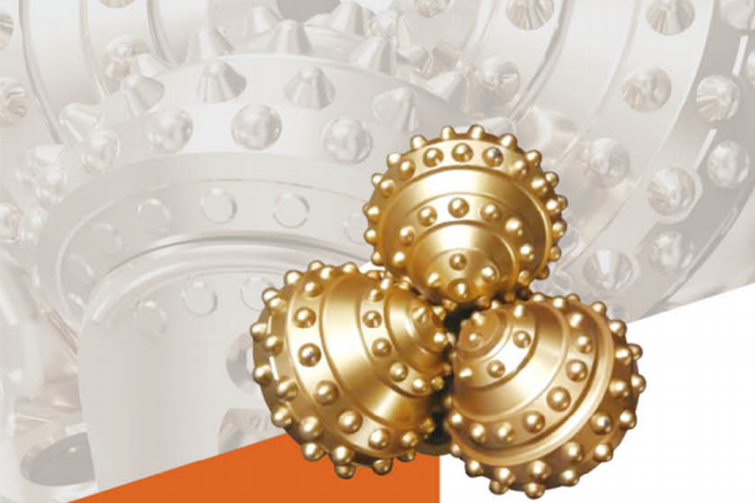
Rotary single cone bits are specialized drilling tools designed for efficient rock penetration in various industrial applications, particularly in the oil and gas sector. Unlike multi-cone bits, they feature a single, robust cone that rotates to crush and cut through formations, offering advantages in specific drilling scenarios. Their design focuses on durability and precision, making them ideal for hard rock conditions where other bits might fail prematurely. In my work on numerous construction projects, I've seen how these bits reduce downtime and enhance overall project timelines, directly impacting operational success.
Technical Design and Mechanisms
The core of a rotary single cone bit lies in its engineering, which includes a hardened steel cone equipped with carbide inserts or diamond-enhanced cutters. These materials are chosen for their high wear resistance and ability to withstand extreme pressures. Key parameters include cone angle, typically ranging from 90 to 120 degrees, and rotational speeds that can vary from 50 to 200 RPM depending on the formation hardness. For instance, in granite formations, a cone angle of 110 degrees combined with a speed of 100 RPM has proven effective in maintaining bit life while maximizing penetration rates. Additionally, the bit's hydraulic system ensures efficient cuttings removal, preventing clogging and reducing the risk of bit balling, which is crucial in deep drilling operations.
Operational Applications and Best Practices
In practical terms, rotary single cone bits excel in directional drilling and geotechnical investigations, where precision is non-negotiable. They are commonly used in oil well drilling for intermediate sections, where formations transition from soft to hard layers. Based on field data, optimal performance is achieved when using these bits with a weight-on-bit (WOB) of 10,000 to 30,000 pounds and a flow rate of 300 to 500 gallons per minute for mud circulation. This setup minimizes vibration and extends bit life, as observed in projects in the Permian Basin, where we achieved a 20% increase in drilling speed compared to conventional bits. Regular monitoring of drilling parameters and timely bit replacements are essential to avoid unexpected failures.
Economic Benefits and Cost Analysis
From a business perspective, the adoption of rotary single cone bits translates to significant cost savings and improved return on investment. Their longer service life reduces the frequency of bit changes, cutting down on equipment costs and labor expenses. For example, in a typical offshore drilling project, using these bits can lower operational costs by up to 15% due to reduced downtime and fewer replacements. Moreover, their efficiency in hard formations means faster project completion, enabling companies to capitalize on market opportunities sooner. In one case study, a company reported a 25% reduction in overall drilling costs over a year by integrating these bits into their standard toolkit, highlighting their role in enhancing profitability.
Common Questions
What are the main advantages of using a rotary single cone bit over multi-cone bits?
Rotary single cone bits offer superior stability and reduced complexity, leading to fewer mechanical failures in hard rock conditions. They provide better control in directional drilling, resulting in more accurate well paths and lower risk of deviation.
How do I select the right parameters for a specific drilling project?
Consider factors like formation type, depth, and desired penetration rate. For hard formations, opt for a higher cone angle and moderate WOB, while softer rocks may require lower angles and speeds. Consulting manufacturer guidelines and conducting pilot tests can help fine-tune these parameters.
What maintenance practices extend the life of a rotary single cone bit?
Regular inspection for wear, proper cleaning after use, and storing in dry conditions are crucial. Additionally, using compatible drilling fluids and avoiding excessive loads can prevent premature damage, ensuring optimal performance over multiple cycles.