





Optimizing Mining Tricone Bit Performance: A Comprehensive Guide to Technical Details and Commercial Value
Introduction to Mining Tricone Bits
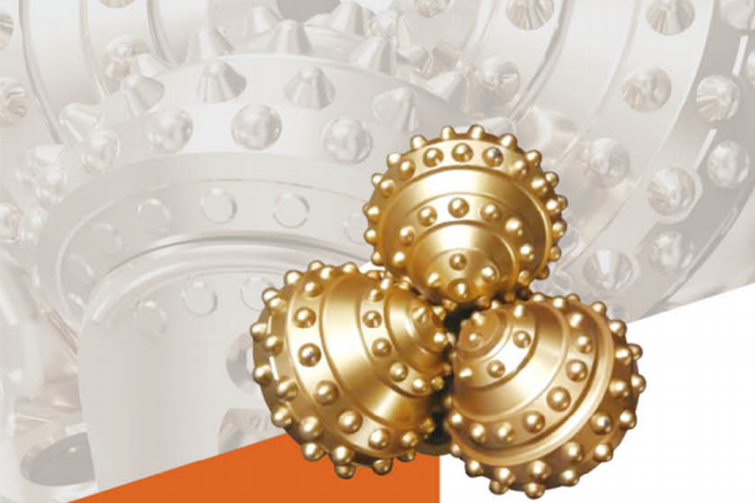
Mining tricone bits are specialized drilling tools designed for use in mining and exploration industries. They feature three rotating cones with hardened teeth or inserts that crush and grind rock formations, enabling efficient borehole creation. These bits are crucial in applications such as mineral extraction, oil and gas drilling, and geotechnical surveys. Their robust design allows for high penetration rates in various geological conditions, making them a staple in modern drilling operations. By understanding their components and mechanics, operators can significantly improve drilling accuracy and longevity.
Technical Details of Tricone Bits
The technical aspects of mining tricone bits involve several key components and parameters. Each bit consists of three cones mounted on bearings, which rotate independently to distribute wear evenly. The teeth or inserts are made from materials like tungsten carbide for enhanced durability. Critical parameters include the bit diameter, which typically ranges from 3 to 26 inches, and the bearing type, such as roller or journal bearings, affecting load capacity and lifespan. For instance, a standard 8-inch tricone bit might have a recommended weight-on-bit (WOB) of 10,000 to 20,000 pounds and a rotational speed of 50 to 150 RPM. Additionally, the cutting structure—whether milled teeth for soft formations or inserts for hard rock—must be selected based on the specific mining environment. Proper maintenance, such as monitoring for cone lock-up or tooth breakage, is essential to prevent downtime and ensure consistent performance.
Material Selection and Design Innovations
Advancements in material science have led to significant improvements in tricone bit performance. High-strength alloys and composite materials are used to manufacture cones and bearings, reducing friction and heat generation. Innovations like sealed bearing systems help retain lubrication and exclude abrasive particles, extending bit life in harsh conditions. For example, in hard rock mining, bits with enhanced carbide inserts can achieve up to 30% longer service life compared to conventional designs. Design parameters such as cone offset and tooth geometry are optimized through computer-aided modeling to maximize rock-breaking efficiency. These technical refinements not only boost drilling speed but also minimize the risk of bit failure, which is critical in high-cost mining projects.
Commercial Value and Cost-Benefit Analysis
From a business perspective, investing in high-quality mining tricone bits offers substantial economic advantages. The initial cost of a premium bit may be higher, but it leads to reduced operational expenses through fewer replacements and lower labor costs. Studies show that optimized bit selection can decrease overall drilling costs by 15-25%, by improving rate of penetration (ROP) and reducing non-productive time. For instance, in a large-scale mining operation, using advanced tricone bits with longer lifespan can save thousands of dollars per well by cutting down on bit trips and maintenance intervals. Moreover, reliable bit performance enhances project timelines, enabling faster resource extraction and earlier revenue generation. Companies should conduct cost-benefit analyses that consider factors like bit durability, compatibility with drilling rigs, and local geological challenges to maximize return on investment.
Best Practices for Implementation
To fully leverage the benefits of mining tricone bits, operators should follow best practices in selection, operation, and maintenance. Start by analyzing the formation type—soft, medium, or hard rock—to choose the appropriate bit design and parameters. Regular monitoring of drilling parameters, such as WOB and RPM, is crucial to avoid overloading and premature wear. Implement a preventive maintenance schedule that includes inspections for bearing integrity and tooth damage. Training drilling crews on proper handling and storage can further extend bit life. In commercial terms, partnering with reputable suppliers who offer technical support and warranties can mitigate risks and ensure consistent performance, ultimately protecting the bottom line in competitive mining markets.
Common Questions
What is the typical lifespan of a mining tricone bit?
The lifespan varies based on factors like formation hardness and operating conditions, but generally, a well-maintained bit can last between 50 to 200 drilling hours. In hard rock, it might be shorter, around 50-100 hours, while in softer formations, it could exceed 150 hours with proper care.
How do I choose the right tricone bit for my project?
Selecting the right bit involves evaluating the rock type, drilling depth, and rig capabilities. For hard formations, opt for bits with tungsten carbide inserts and sealed bearings. Consult technical datasheets and consider conducting field tests to match the bit to specific project requirements for optimal performance and cost-efficiency.
What are the common causes of tricone bit failure?
Common failures include bearing seizure due to inadequate lubrication, tooth breakage from excessive WOB, and cone erosion from abrasive materials. Regular maintenance, such as cleaning and lubricating bearings, and adhering to recommended operating parameters can prevent these issues and extend bit usability.