





Optimizing Drilling Efficiency: The Technical and Commercial Impact of Oil Tricone Bits
Introduction to Oil Tricone Bits
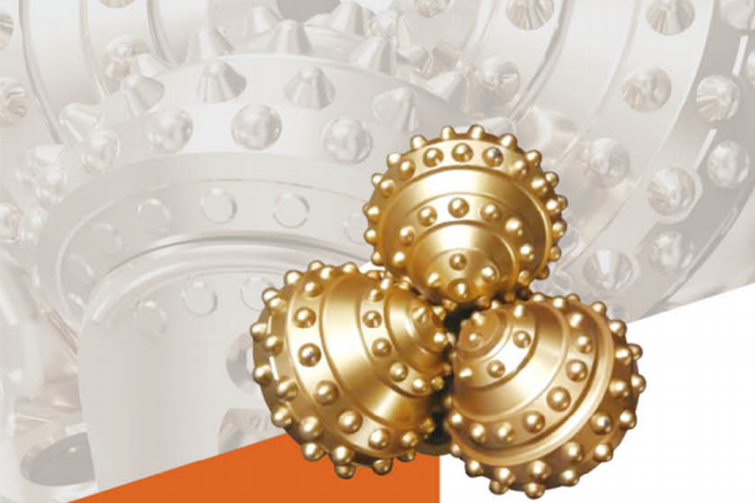
Oil tricone bits, also known as roller cone bits, are critical components in oil and gas drilling, designed to crush rock formations efficiently. They feature three conical rollers equipped with teeth or inserts that rotate as the drill string turns, enabling penetration through various geological layers. Their durability and adaptability make them a preferred choice in both onshore and offshore applications, where reliability can significantly impact project timelines and costs.
Technical Design and Components
The anatomy of an oil tricone bit includes several key elements: the cones, bearings, and cutting structures. Each cone is mounted on precision bearings that allow smooth rotation under high loads, while the teeth—often made from tungsten carbide—are engineered for abrasion resistance. Advanced metallurgy and heat treatment processes ensure these bits withstand extreme pressures and temperatures, with typical operational parameters such as weight-on-bit (WOB) ranging from 10,000 to 50,000 pounds and rotational speeds of 50 to 150 RPM. For instance, in hard rock formations, bits with milled teeth are used, whereas softer formations benefit from insert-type designs to optimize rate of penetration (ROP).
Operational Mechanisms and Performance
During drilling, the tricone bit's rotation and applied force generate a crushing and shearing action on the rock. Fluid circulation through the bit's nozzles helps cool the cutting structures and remove cuttings, preventing bit balling and enhancing efficiency. Performance metrics like ROP and bit life are heavily influenced by factors such as formation hardness and drilling fluid properties. In a case study from the Permian Basin, using a tailored tricone bit increased ROP by 20% compared to standard models, reducing overall drilling time and associated risks.
Commercial Benefits and Cost Efficiency
From a business perspective, oil tricone bits offer substantial economic advantages. Their relatively low initial cost and high reliability translate to reduced downtime and maintenance expenses. By minimizing non-productive time, companies can achieve faster return on investment (ROI) and improved profit margins. For example, in a deepwater project, selecting the right tricone bit configuration led to a 15% decrease in operational costs, highlighting how technical choices drive financial outcomes. Additionally, their versatility allows for use in diverse drilling scenarios, supporting strategic resource extraction and market competitiveness.
Common Questions
What are the main factors affecting the lifespan of an oil tricone bit?
The lifespan is primarily influenced by formation abrasiveness, drilling parameters like WOB and RPM, and proper maintenance. Using optimized drilling fluids and regular inspections can extend bit life by up to 30%, reducing replacement frequency and costs.
How do oil tricone bits compare to PDC bits in terms of cost and performance?
Oil tricone bits are generally more cost-effective for softer to medium-hard formations and offer better durability in abrasive conditions, whereas PDC bits excel in harder rocks with higher ROP but at a higher initial investment. Choosing between them depends on specific geological and economic factors to balance performance and budget.